Worksheet Match and Count: A Designer’s Practical Take
As an embroidery designer who's worked on everything from custom apparel to boutique branding, I’ve learned that choosing the right design can make or break a project. That’s why when I came across Worksheet Match and Count, I took a closer look—not just as a consumer, but as someone who wants to know how it would truly perform in real-world applications.
First Impressions: Simple Yet Purposeful
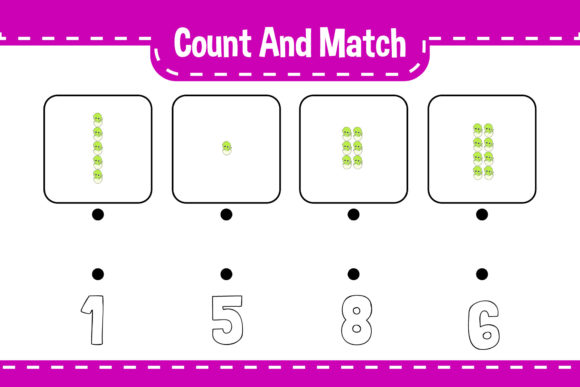
The moment I opened the digital embroidery file for Worksheet Match and Count, I was struck by its clean layout and balanced composition. It feels like a thoughtful design intended for both functionality and visual appeal. The theme is educational yet playful, making it ideal for personalized gifts or craft business items aimed at kids or beginners learning to count. Its shape is straightforward, with no overly complex curves or intricate corners—perfect for those who want a reliable design without the headache of troubleshooting stitch paths.
While it doesn’t scream boldness or avant-garde flair, the design has a subtle charm. The color palette (if used as a reference) is bright and cheerful, which adds to its versatility. As a graphics resource under the freebies category, it clearly aims to serve a wide audience, and based on the structure alone, it does so well.
Visual Personality and Project Fit
I immediately saw potential for this design in baby-related projects—think embroidered onesies, nursery wall art, or even a set of custom sweatshirts for a child-themed party. The clarity of the numbers and the simplicity of the lines suggest it would work well with satin stitch outlines and fill stitch backgrounds. The overall mood is gentle and inviting, which makes it suitable for soft goods like tea towels, pillow covers, and tote bags where the design needs to be legible but not overwhelming.
Real-World Embroidery Performance
Embroidery isn't just about aesthetics—it's about performance too. So let me walk you through how Worksheet Match and Count holds up in different real-life scenarios:
- Tote Bag Design: This one shines here. The canvas size of 1920 px X 1280 px gives enough space to display the full design without crowding. When stitched onto cotton twill or linen, the contrast between thread colors remains sharp, and the details stay intact.
- Sweatshirt Embroidery: On medium-weight fleece, the design looks great if you use a good stabilizer. The lack of tiny lettering means it won’t lose definition after multiple washes. However, avoid high-density stitching if the fabric is thin or stretchy.
- Baby Clothes & Nursery Decor: The simple style and clear numbers are perfect for little ones' clothing or educational wall hangings. The design feels safe and non-overstimulating, which is important for young children.
- Patches and Aprons: For embroidered patches, the design adapts well, especially when using running stitch for outlines. On aprons made from denim or canvas, the design maintains its structure and doesn’t distort easily.
- Holiday Gifts and Boutique Merchandise: With a bit of tweaking, this could become part of a holiday collection—think Christmas stockings or New Year’s gift tags. It also works well for small shop products, particularly if you're aiming for a casual, approachable brand aesthetic.
Where to Use with Caution
While Worksheet Match and Count is versatile, there are certain situations where it might require extra attention or editing:
- Small Hoop Sizes: If you're planning to shrink the design significantly, some elements may become too delicate to stitch cleanly. Always confirm the minimum hoop size before scaling down.
- Textured or Stretchy Fabrics: The design’s smooth lines and moderate detail level mean it can struggle on heavily napped or elastic materials. Test it on similar fabrics first to ensure stitch integrity.
- Dark Fabric Backgrounds: Thread color visibility is key. While the design offers options for editing, you’ll need to adjust the thread colors carefully if using it on black or navy bases.
- Curved Surfaces: Caps and curved areas aren't the best fit due to the design's flat orientation. You’d have to warp it manually, which could affect the final outcome.
- Dense Stitch Areas: If you're layering other designs nearby, be mindful of the stitch density. Overlapping dense areas might lead to puckering, especially on thinner materials.
Design Integrity and Customer Perception
In my experience, what sets apart a great machine embroidery design from a good one is how it affects customer trust and product value. Worksheet Match and Count strikes a balance between being professional and approachable. Its simplicity ensures it won’t distract from the quality of your handmade product, but it still adds character and purpose.
For Etsy sellers and craft business owners, this kind of design helps maintain brand consistency across multiple items. Whether you’re creating a line of personalized gifts or digital assets for printable mockups, having a design that feels cohesive is essential. The uniformity of the shapes and the clean layout contribute positively to that goal.
When it comes to buyer engagement, the design's educational angle could attract parents looking for fun, interactive holiday gifts or teachers wanting classroom decorations. It’s a subtle way to add value beyond just appearance.
Designer Notes: Making It Work for You
Before committing to a batch of stitch files, I always recommend these steps:
- Test on Scrap Fabric: Especially if you plan to modify the design or change thread colors. This helps catch any issues with stabilizer or tension early on.
- Review Stitch Density: The default settings seem reasonable, but if you're working with delicate or stretchy material, consider adjusting the density to prevent puckering.
- Confirm Hoop Size: Even though the design is large, don’t assume it will fit all hoops. Double-check the dimensions of your machine’s hooping capabilities.
- Inspect Small Details: Though not overly detailed, check for any fine lines or edges that could get lost in translation during digitization.
- Use Black and White Mockups: This helps assess whether the design will stand out regardless of thread color choices.
- Compare Light and Dark Fabrics: Try printing a preview on both to see how the design translates visually.
- Check Licensing Before Selling: Since it's labeled as a freebie, always review the licensing terms before including it in commercial or digital product offerings.
Final Thoughts for Creative Entrepreneurs
Worksheet Match and Count is a solid choice for anyone in the craft business who values practicality without sacrificing charm. It’s not the flashiest design you'll find, but it’s exactly the kind of embroidery project that quietly enhances the quality of your finished product.
If you're thinking of adding it to your next batch of small shop merchandise, take the time to test it thoroughly. The effort will pay off in the form of consistent, trustworthy results that customers notice and appreciate.
Ultimately, this is a design that supports creativity while staying grounded in usability. That's something every embroidery designer should look for in their design assets.