Sublimation Butterfly Background: A Versatile Graphic for Creative Projects
As a professional designer who frequently works on branding, packaging, and social media graphics for small businesses and digital sellers, I’m always on the lookout for design assets that bring both visual interest and practical value to client projects. The Sublimation Butterfly Background caught my attention as a potential addition to a variety of creative workflows. Let me walk you through my evaluation based on real-world use cases and technical considerations.
First Impressions and Visual Mood
The first thing that stood out about the Sublimation Butterfly Background was its organic, whimsical feel. The butterflies are rendered in a soft, stylized manner—neither too realistic nor overly cartoonish. Instead, they strike a balance that makes them suitable for both modern and handmade aesthetics. The repeating pattern and subtle gradients give it a sense of movement and fluidity, creating a calming yet visually engaging mood.
This background naturally leans toward projects with a thematic or seasonal focus, such as spring campaigns, wellness brands, floral-inspired collections, or boutique product lines. It’s not a high-contrast, bold graphic, but rather a gentle enhancement that adds depth without overpowering the message.
Performance in Real Design Situations
I tested this asset across several common design scenarios, including:
- Logo Design: Used subtly behind a brand mark to add texture and warmth.
- Product Labels: Incorporated into label designs for artisanal products like bath bombs, candles, or teas.
- Packaging Design: Applied as an accent on box wraps and tags for a local handmade business launch.
- Social Media Graphics: Placed behind text overlays in Instagram posts and Pinterest pins for an elegant backdrop.
- T-Shirt and Merchandise Designs: Tested on mockups for print-on-demand platforms, where it performed well at large scale.
- Canva Templates: Added to a set of editable templates for a client’s online store visuals.
- Cricut Projects: Adapted into a layered cut file for custom stickers and vinyl decals.
- Web Headers: Used as a hero section background for a blog post on nature-themed home decor.
In all these contexts, the butterfly motif added a layer of sophistication and helped reinforce the creative identity of the project. However, it’s important to note that its performance varies depending on the application and layout style.
Best Use Cases for This Design Asset
The Sublimation Butterfly Background shines in situations where a soft, decorative element is needed to elevate the overall look of a design. Here are some ideal applications:
- Large Layout Areas: Its size (3000 x 3000 px) allows it to scale beautifully without pixelation, making it perfect for banners, posters, or website headers.
- Hero Graphics: When placed behind key messaging, it enhances the emotional appeal while maintaining clarity.
- Printable Wall Art: As part of a design bundle, it works great as a standalone printable for clients looking to offer art prints or home décor items.
- Themed Collections: Especially useful for seasonal campaigns or themed product launches where cohesive imagery is essential.
- Sticker and Merchandise Designs: With vector formats included, it can be easily edited and adapted for sublimation printing on mugs, tote bags, and more.
Its transparent PNG files also make it easy to integrate into layered Photoshop comps or overlay directly onto other textures and backgrounds.
Use with Caution in These Contexts
While the Sublimation Butterfly Background has a lot going for it, there are certain areas where it may not be the best fit:
- Small Sizes: At lower resolutions, the fine details of the butterfly wings become less defined, so avoid using it on tiny icons or micro-design elements.
- Crowded Layouts: If your design already includes multiple layers or complex typography, adding this background might reduce readability and visual hierarchy.
- Professional Corporate Materials: The whimsical nature of the asset doesn’t align with sleek, minimalist corporate branding unless intentionally used for a softer touch.
- Low-Contrast Designs: Because of its muted tones, place it carefully against light or dark backgrounds to maintain legibility.
Designers working on clean editorial layouts or formal marketing materials should consider how this asset affects the professionalism of the final piece. In most cases, it will work best as a supporting visual rather than the focal point.
Impact on Brand Consistency and Audience Engagement
One of the biggest concerns when incorporating any new design asset is whether it aligns with the existing brand identity. For a handmade business or creative marketplace seller, the butterfly motif could serve as a strong symbol of transformation, beauty, or natural inspiration. But for a more traditional or tech-based brand, it might feel out of place.
That said, if the client’s brand voice supports a modern design with a touch of elegance, this background can help create a consistent visual language across different touchpoints—from product labels to digital ads. It adds a level of polish that can improve audience engagement by evoking positive emotions tied to nature and creativity.
Technical Evaluation for Commercial Use
When considering a design asset for commercial projects, especially those involving print-on-demand or Etsy shops, the file quality is crucial. The Sublimation Butterfly Background delivers a solid range of formats, including SVG, EPS, DXF, PSD, and multiple PNG variations. This gives designers flexibility in editing, scaling, and exporting for various platforms and substrates.
I inspected the SVG design closely and found it to be fully editable in Adobe Illustrator, which is a big plus for customization. The transparent background in the PNG files worked seamlessly when layered over other textures or color blocks, preserving the integrity of the design. Additionally, the ability to change colors within the PSD version allows for quick adaptation to brand palettes.
Practical Designer Notes
Before committing to using the Sublimation Butterfly Background in a client project, here are a few things I recommend checking:
- Test it in black and white: Determine if the design still holds visual interest when desaturated, especially if it’s being printed in monochrome.
- Check contrast on light and dark backgrounds: Make sure it remains visible and doesn’t get lost when overlaid on different base colors.
- Preview at small and large sizes: Confirm that it maintains clarity when scaled down for buttons or thumbnails and retains detail when enlarged for posters or banners.
- Place it on real mockups: See how it looks on physical products like mugs, phone cases, or T-shirts before finalizing the design.
- Test print quality: Ensure that the design translates well from screen to print, especially when using sublimation techniques on fabric or ceramic surfaces.
- Inspect PNG transparency: If using for web or layered designs, verify that the transparent background functions correctly in your workflow.
- Review file formats: Check compatibility with your preferred tools and production methods—especially if you plan to edit the vector versions.
- Compare with font styles: Test the background with serif, sans-serif, script, handwritten, and display fonts to ensure harmonious pairing and readable content.
- Confirm commercial licensing: Always double-check the license terms before using any graphic design asset in a paid or public-facing project.
Why This Could Be a Useful Addition to Your Toolkit
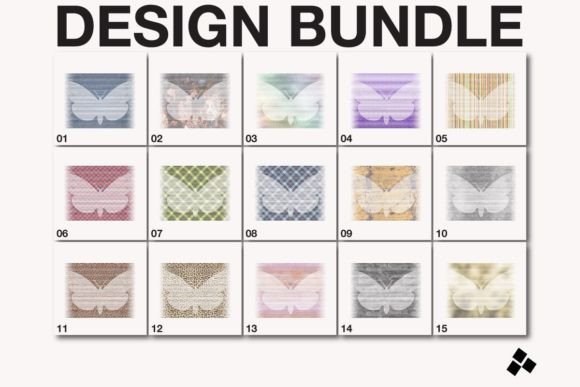
What sets the Sublimation Butterfly Background apart is its adaptability. Unlike generic clipart or illustrations, it offers a cohesive, high-quality design that feels intentional and curated. The inclusion of 15 different colors means you can match it to almost any palette, and the high-resolution transparent PNGs allow for seamless integration into both digital and print projects.
For print-on-demand sellers, this asset provides a reliable base for merchandise that requires a delicate balance between artistic flair and usability. For brand owners launching a new line of eco-friendly or artisanal products, it offers a fresh take on packaging design and labeling. And for content creators and bloggers, it can enhance the visual storytelling of articles or tutorials related to nature, growth, or self-care themes.
Final Thoughts for Design Professionals
In the context of a recent project for a handmade jewelry brand launching on Etsy, the Sublimation Butterfly Background was a welcome addition to the packaging and social media visuals. It created a warm, inviting atmosphere that resonated with the brand’s target audience—women who appreciate thoughtful craftsmanship and natural motifs.
However, it’s not a one-size-fits-all solution. It needs to be paired thoughtfully with typography, color schemes, and layout structures. When used correctly, it can significantly boost the visual trust and recognition of a brand’s materials, helping to build a stronger emotional connection with customers.
If you’re a designer looking for a versatile graphic design asset that can support multiple project types while maintaining a polished aesthetic, the Sublimation Butterfly Background is worth considering. Just remember to evaluate it in the context of your specific design goals and technical requirements before using it commercially.