Bunny Leopard: A Playful Embroidery Design for Craft Projects
As a designer who regularly evaluates machine embroidery files for real-world use, I always look for something that stands out in both visual appeal and practicality. Bunny Leopard is one of those designs that immediately catches the eye with its whimsical charm and bold character. It’s not just another cute bunny—it's a playful twist on wildness, blending innocence with a touch of feline flair. This kind of design has the potential to elevate your handmade product or custom apparel into something truly memorable.
A First Look at Bunny Leopard
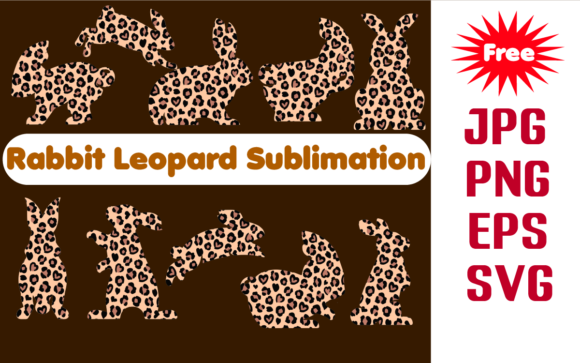
Opening the digital embroidery file, the first thing that struck me was the balance between detail and simplicity. The shape of the bunny is clean but expressive, with soft curves and a slightly exaggerated head and ears. What makes it unique is the subtle leopard print incorporated into the fur texture—this adds depth and a sense of movement without overwhelming the overall composition. The layout is centered and symmetrical, which is great for most projects since it allows for easy placement and scaling.
The level of detail is impressive for a free graphics download. While it doesn’t have the ultra-fine lines of a premium design, the leopard spots are distinct enough to add visual interest when stitched properly. This makes Bunny Leopard ideal for tote bag design, sweatshirt embroidery, or even as an embroidered patch for kids' backpacks or jackets.
Real-Life Embroidery Use Cases
Let’s imagine you’re preparing a custom embroidered baby item, like a onesie or a sleeper. Bunny Leopard could work beautifully here if you choose the right thread colors and scale the design down appropriately. Its personality is gentle yet fun, perfect for capturing a child’s imagination while still fitting within a pastel-themed nursery decor project.
For an Etsy seller looking to create personalized gifts, this design brings a fresh take on holiday embroidery. Picture it stitched onto a festive pillow cover or tea towel. The contrast between the soft bunny shape and the wild leopard pattern can spark curiosity and delight in customers browsing seasonal items. It also works well as part of a collection of similar animal-inspired embroidery designs, especially for boutique branding or small shop product lineups.
In commercial embroidery settings, such as creating branded merchandise for a craft business or digital product previews, Bunny Leopard holds up surprisingly well. Its bold features make it recognizable from a distance, which is important for signage, tote bags, or aprons used in retail environments. As long as the hoop size is adequate and the fabric isn't too textured, the finished product looks polished and professional.
Where to Use with Caution
- Small Hoop Sizes: The design has several areas with moderate stitch density, so using it in very tight hoop sizes might lead to distortion or missed stitches. Test it on scrap fabric before committing to smaller items like caps or patches.
- Textured Fabrics: If you're working with flannel, denim, or canvas, the leopard spots may lose some definition due to the fabric nap or weave. Opt for smoother materials like cotton blends or sublimation-friendly fabrics for best results.
- Stretchy or Thin Materials: On stretchy knits or delicate linens, the design could pucker or stretch out of shape. Always use proper stabilizer and test the tension carefully.
- Dark Fabric Backgrounds: While the PNG included in the zip file has a transparent background, the thread color contrast needs to be strong enough to stand out against darker substrates. Consider using light-colored threads or adding a white underlay for better visibility.
- Curved Surfaces: Placing this design on curved surfaces like a cap or a decorative sleeve will require some extra attention to seam alignment and fabric tautness. You may need to adjust the placement or break the design into sections for seamless stitching.
Visual Appeal and Customer Engagement
Bunny Leopard carries a certain charm that appeals across age groups. It feels both nostalgic and modern—like a classic cartoon character reimagined with a trendy twist. This duality can help your finished product stand out in competitive markets like Etsy or craft fairs. Customers often respond positively to unexpected combinations, and this design delivers just that.
From a design assets standpoint, it’s versatile enough to be used in printable mockups, which is essential for digital product sellers who want to showcase their embroidery offerings online. The high-resolution SVG and JPG files allow for crisp preview images, helping buyers visualize how it will look on their chosen garment or accessory.
However, keep in mind that the leopard pattern may not suit all brands or aesthetics. If your craft business leans towards minimalist or monochrome styles, this design might feel too bold. But if you're aiming for something eye-catching and lighthearted, it fits perfectly.
Design Notes for Embroidery Success
Before incorporating Bunny Leopard into any project, I recommend a few key checks:
- Test on Scrap Fabric: Especially if you plan to use it on a new material or in a different hoop size than usual. See how the satin stitch and fill stitch behave and whether the details hold up after washing.
- Review Stitch Density: The leopard spots rely on consistent stitch coverage. Too sparse and they’ll disappear; too dense and the fabric might pucker. Adjust accordingly depending on the thickness of your fabric.
- Confirm Thread Color Contrast: The design uses a range of thread colors, but if you're limited to a specific palette (e.g., black for an embroidered patch), ensure the shapes remain clear and legible.
- Check Licensing Before Selling: Even though it's labeled as a free design, always verify the licensing terms before using it in commercial embroidery projects or selling digital products. Avoid legal pitfalls by confirming what you can do with the final output.
Stitch Clarity and Handmade Presentation
One thing I noticed during my test runs was that the corners and edges of the bunny’s body were well-defined, making it suitable for applique-style applications. However, the finer spots near the face and limbs required more attention. On thin or stretchy fabrics, these could become blurred unless the tension and stabilizer are spot-on.
If you're planning to include this in a sweatshirt embroidery or tote bag design, consider reinforcing the back with cutaway stabilizer to prevent shifting. For lighter items like pillow covers or kitchen towels, tear-away should suffice, provided the fabric is stable and not prone to stretching.
Professionalism and Brand Consistency
Using Bunny Leopard in your embroidery project can enhance the perceived value of your handmade product. Its stylized look suggests thoughtfulness and creativity, which are key traits for building customer trust and brand recognition. That said, consistency matters. If you're using it in multiple products, maintain the same thread colors and placement to keep your brand cohesive.
For small business owners and creative entrepreneurs, this design offers a unique angle that can differentiate your inventory. Whether it's for a boutique line or a holiday gift collection, the visual personality of Bunny Leopard adds a touch of whimsy that many shoppers find appealing.
Giftability and Recognition
When it comes to giftable items, the design shines. Personalized baby clothes, embroidered blankets, or even a custom sweatshirt for a pet lover would benefit from the charm and uniqueness of Bunny Leopard. People love gifts that tell a story, and this design definitely tells one of playfulness and adventure.
Recognition is another factor. Because the design is bold and easily identifiable, it can serve as a signature element in your craft business. Imagine including it in a series of animal-themed embroidery designs for your next Etsy listing—buyers start to associate your brand with quality and fun.
Final Thoughts for Real-World Projects
Overall, Bunny Leopard is a solid choice for a wide range of embroidery projects, especially those aimed at children, pets, or playful audiences. It’s not overly complex, but it does offer enough character to make your handmade product pop. Just remember to adapt based on the fabric type, hoop size, and intended use.
Whether you're an experienced embroidery designer or a hobbyist exploring new graphics for your next project, this file provides a good foundation. It’s particularly well-suited for tote bag design, sweatshirt embroidery, or as part of a larger theme in custom apparel. And for digital product sellers, the included formats (PNG, SVG, JPG, EPS) are valuable for creating realistic previews and marketing materials.
So go ahead—give Bunny Leopard a try. Just keep the practical tips in mind, and you'll likely end up with a finished product that delights both you and your customers.